Contributed by Sayari
Ensuring Forced Labor Compliance in Automotive Supply Chains
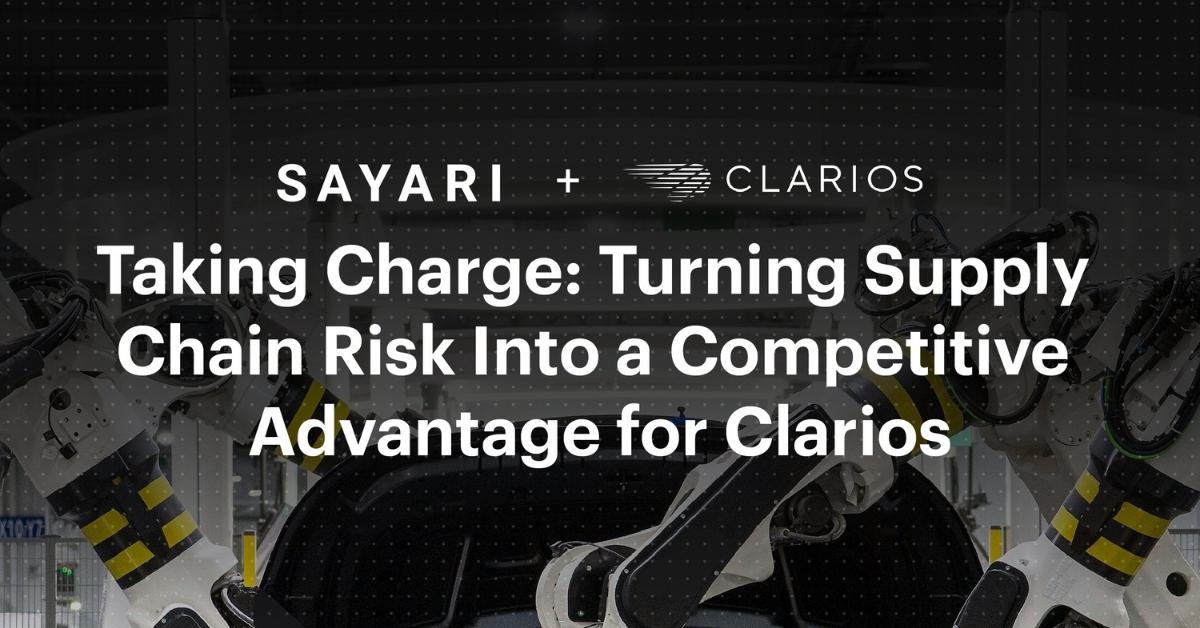
Since the Uyghur Forced Labor Prevention Act (UFLPA) went into effect in 2022, sub-tier supply chain visibility has become an increasingly critical and ubiquitous prerequisite for import compliance. Automotive companies, due in no small part to their highly complex supply chains, are among the hardest hit by this requirement of anti-forced labor and ESG regulations. A recent study by Sayari analysts found that 95% of leading OEMs’ exposure to forced labor risk comes from sub-tier suppliers. The ability to identify and mitigate risks throughout their value chains is critical for OEMs aiming to minimize operational disruptions, avoid detentions, and maintain competitive advantage.
Download the report here to learn how Sayari is overcoming barriers to supply chain visibility, enabling OEMs to map their sub-tier supply chains, identify indirect exposure to forced labor risk, and foster greater supply chain resilience in an increasingly dynamic trade landscape.
About Sayari
Sayari is a mission-driven company dedicated to empowering both the public and private sectors with a comprehensive, evidence-based model of global commercial relationships to help safeguard economic futures.
From risk to resilience, Sayari’s platforms enable confident decision-making across regulatory compliance, supply chain management, and complex investigations into global networks and illicit activity.
In 2024, TPG Growth, the firm’s middle-market and growth equity platform, made a $228 million strategic majority investment in Sayari.
To learn more, visit sayari.com.