Hospital leaders are acutely aware that one of their biggest unmet challenges is optimizing the use of high-intensity care settings to most effectively manage high-risk patients. AI-based risk models are becoming a key tool to support care teams in making real-time decisions about patient status and the ideal level of care. Hospital researchers have not ignored the challenge of identifying decompensating patients early. Numerous studies have shown that early identification of deteriorating patients in hospital units outside of critical care can improve mortality rates and clinical outcomes—and reduce costs. Check out this report from our partners at Wolters Kluwer to learn more about these studies and evidence that supports the strong need for AI-driven early warning systems.
AI-Driven Clinical Surveillance Accurately Identifies Patient Risk and Informs Objective Care Decisions
- By milladmin
- in Healthcare
- on February 12, 2021
Looking for Something?
Recent Posts
The Millennium Alliance Celebrates 12 Years of Transforming the Digital Enterprise with Record Growth and Strategic Investment Read more
How Proactive Injury Coverage Coordination Creates Value for Health Plans with Katch Read more
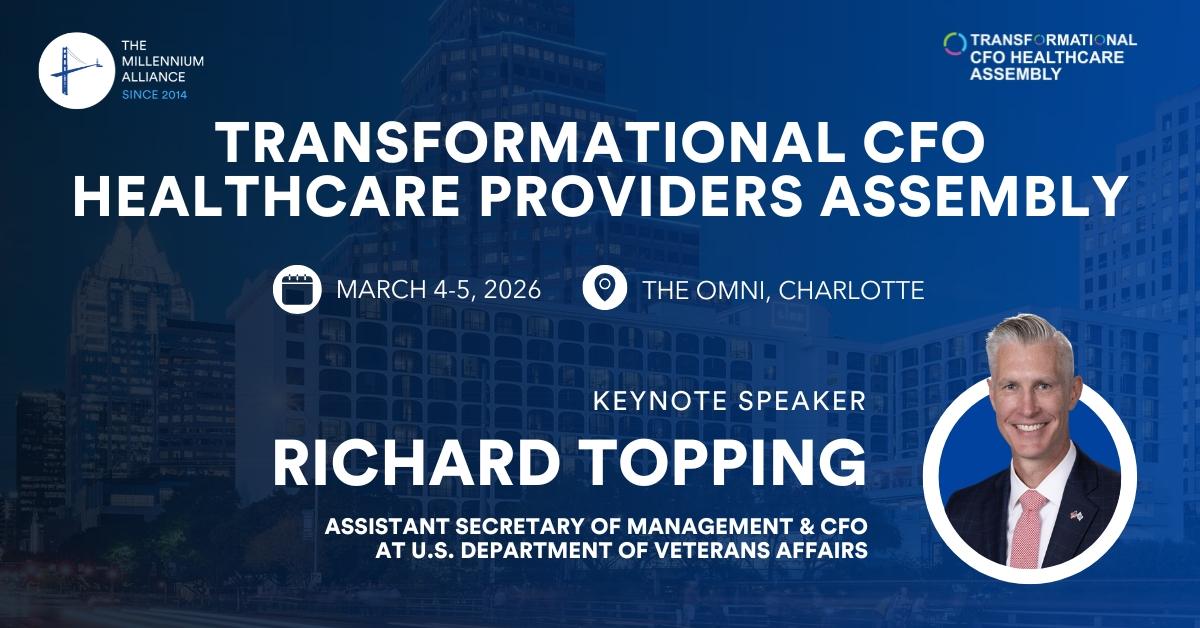
Richard Topping, Assistant Secretary of Management & CFO at VA Keynotes Our Transformational CFO Healthcare Providers Assembly on March 4-5 in Charlotte! Read more
#Millenniumlive: The Next Chapter of Digital Health: Why Virtual Care Is Entering Its Most Exciting Moment With MD Live, an Evernorth Company Read more

PUBLISHED BY milladmin
View all posts by milladmin